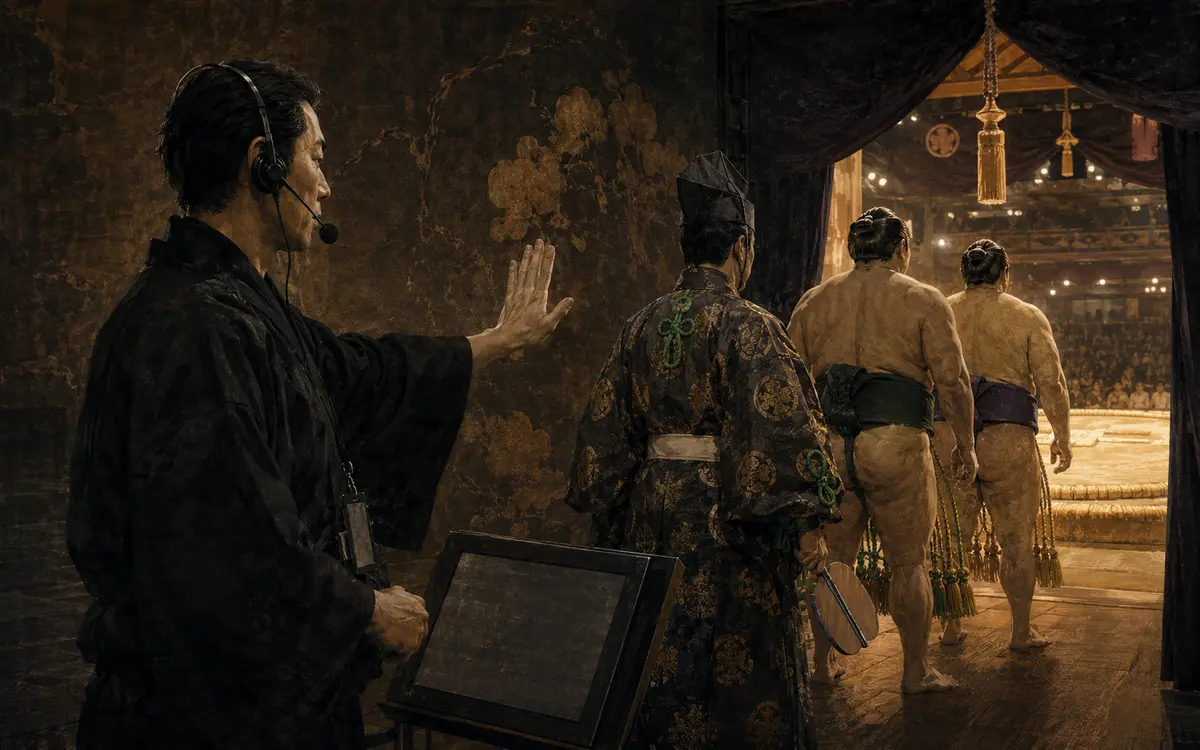
Sixty minutes fit contain explanation, demonstration and live action, but e no be one package wey fit everybody. Interpretation, size of audience, venue access, number of artists and di level of participation wey una want fit change di speed well-well. Di outline for here na model to help planning, no be promise say every segment go dey available or suitable. Producers suppose confirm di final sequence with di artists, presenter, venue and safety leader, then prepare cue sheet wey get enough flexibility for wetin fit happen live.
Define di aim before una divide di one hour
Choose whether di main result na cultural learning, lively entertainment, guest interaction, press photography or formal brand moment. One show no fit give every aim equal time without rushing. Identify di opening, closing and sponsor requirements wey una no fit change, then protect time for safe transitions. If una dey use two languages, count interpretation as part of programme time instead of adding am like say e no dey take time.
Before minute zero: inspect and brief everybody
Make dem check di ring or performance surface, clear zone, barriers, sound and backstage route before audience enter. Artists need time to change, warm up and review any cue wey dem change. Di presenter suppose confirm names, career descriptions and pronunciation. Volunteers wey go participate, photographers and venue staff no suppose receive different instructions wey dey clash from separate teams.
Minute 0–10: welcome, entrance and first explanation
Open with short welcome, introduce di artists and explain wetin audience go see. Entrance or formal presentation fit set di atmosphere before detailed teaching start. Explain di ring boundary and one simple way to win bout with words wey newcomers go understand. No load long lecture for di beginning wey go delay di first visible action of di artists.
Minute 10–25: training and movement demonstrations
Demonstrations of shiko, suriashi and other selected exercises fit show how wrestlers dey build balance and forward movement. Di presenter suppose explain only movements wey di artists agree to demonstrate. Small slow-motion comparison fit help audience see details before normal speed. Keep equipment changes simple so di section no lose energy.
Minute 25–40: techniques and exhibition bouts
Show small number of techniques clearly instead of calling plenty names one after another. Di artists fit explain position and balance with slower movement, then present exhibition bouts wey fit di surface and space. Di performers, no be audience member or sponsor, suppose manage di result and intensity of staged entertainment bouts. Give time to arrange di performance area again between actions.
Minute 40–50: optional participation under supervision
If di venue and artists don approve participation, invite only small number of volunteers wey dem brief before or choose clearly. Explain di activity, boundaries and right to stop before anybody enter di area. Use adjusted movement or controlled pushing exercise instead of assuming say full bout dey suitable. Question segment without physical participation fit replace am for di same time.
Minute 50–60: finale, thanks and transition
Bring all di artists together for final demonstration, bow or short closing message wey match di mood of di show. Thank di artists with correct description and give any important instruction for photography or exit. Big group photograph fit need separate organised session after di show instead of forcing am inside di last minutes. Make di handover to di next activity for di venue clear.
Turn di model into cue sheet wey people fit work with
List every cue, person responsible, microphone, music track, lighting condition, prop and safe point where una fit pause. Prepare shorter explanation in case programme start late, but no recover time by removing required safety checks or artist rest. School programme fit prefer questions, while hospitality event fit prefer short action and photographs. Any change must keep di work scope wey everybody agree and di consent of di artists.
Project checklist
Checklist for running order
- One clear aim and important moments wey una no fit remove
- Confirmed artists, presenter, interpreter and stage duties
- Times for venue inspection, rehearsal and audience entrance
- Timed script wey include interpretation and transitions
- Demonstrations, bouts and participation wey dem approve
- Cues for sound, music, lighting, props and microphones
- Short backup version wey still keep safety controls
- Another plan for press, photos, meet-and-greet and audience exit
Questions wey people dey ask
Questions wey producers dey ask us well-well
Every show fit follow this exact 60-minute order?
No. Na planning example. Di artists, venue, language, audience and safety conditions go decide di final structure and timing.
Audience participation must always enter?
No. E optional and e only suitable after artists, venue and safety people review am. Questions or extra demonstration fit replace am.
Group photos fit enter di one hour?
Quick stage photograph fit enter, but complete guest photo session normally need separate queue, staff and time after di formal programme.
Booking question

Contact us
Tell us about your project.