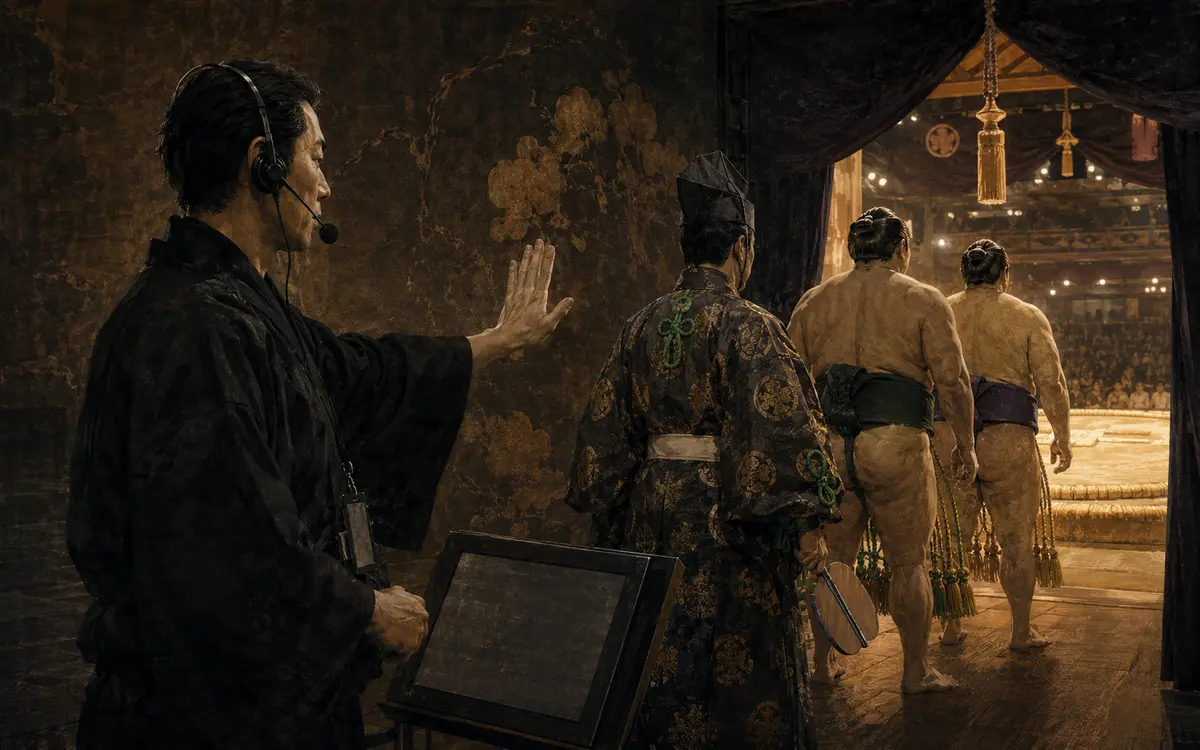
Sixty minutes can accommodate explanation, demonstration and live action, but it is not a universal package. Interpretation, audience size, venue access, performer count and the desired level of participation can change the pace substantially. The outline below is a planning model rather than a promise that every segment will be available or suitable. Producers should confirm the final sequence with the performers, presenter, venue and safety lead, then create a cue sheet with enough flexibility for live conditions.
Define the objective before dividing the hour
Choose whether the main result is cultural learning, energetic entertainment, guest interaction, press photography or a formal brand moment. A show cannot give every objective equal time without becoming rushed. Identify the non-negotiable opening, closing and sponsor requirements, then protect time for safe transitions. If two languages are used, interpretation needs to be counted as programme time rather than added invisibly.
Before the show: inspections and briefings
The ring or performance surface, clear zone, barriers, sound and backstage route should be checked before the audience enters. Performers need time to change, warm up and review any altered cues. The presenter should confirm names, career descriptions and pronunciation. Participation volunteers, photographers and venue staff should not receive conflicting instructions from separate teams.
Minutes 0–10: welcome, entrance and orientation
Open with a concise welcome, performer introduction and explanation of what the audience will see. An entrance or formal presentation can establish atmosphere before detailed teaching begins. Explain the ring boundary and a simple way to win a bout using language suitable for newcomers. Avoid front-loading a long lecture that delays the performers’ first visible action.
Minutes 10–25: training and movement demonstrations
Demonstrations of shiko, suriashi and other selected exercises can show how balance and forward movement are developed. The presenter should explain only movements that the performers have agreed to demonstrate. A short slow-motion comparison can help the audience see details before normal speed. Keep equipment changes simple so the section does not lose momentum.
Minutes 25–40: techniques and exhibition bouts
Show a small number of techniques clearly rather than naming many in quick succession. Demonstrators can explain position and balance at reduced speed, then present exhibition bouts appropriate to the surface and space. The outcome and intensity of staged entertainment bouts should be managed by the performers, not improvised by an audience member or sponsor. Allow time to reset the performance area between actions.
Minutes 40–50: optional supervised participation
If participation has passed the venue and performer review, invite a limited number of pre-briefed or clearly selected volunteers. Explain the activity, boundaries and right to stop before anyone enters the area. Use an adapted movement or controlled pushing exercise rather than assuming a full bout is appropriate. A non-participatory question segment is a useful alternative for the same time slot.
Minutes 50–60: finale, acknowledgement and transition
Bring the cast back together for a final demonstration, bow or short concluding message that fits the show’s tone. Thank the performers by name and give any essential photography or exit instructions. Large group photographs may need a separate managed session after the show rather than being forced into the final minutes. Make the handover to the next venue activity explicit.
Turn the model into a working cue sheet
List each cue, responsible person, microphone, music track, lighting state, prop and safe hold point. Prepare shorter versions of explanations in case the programme starts late, but do not recover time by removing required safety checks or performer rest. A school programme may favour questions, while a hospitality event may favour concise action and photographs. Changes should preserve the agreed scope and the performers’ consent.
PROJECT CHECKLIST
Running-order checklist
- One clear objective and identified non-negotiable moments
- Confirmed performers, presenter, interpreter and stage responsibilities
- Venue inspection, rehearsal and audience-entry times
- Timed script that includes interpretation and transitions
- Approved demonstrations, bouts and participation activity
- Sound, music, lighting, props and microphone cues
- Shortened contingency version that keeps safety controls
- Separate plan for press, photos, meet-and-greet and audience exit
FREQUENTLY ASKED QUESTIONS
Questions producers ask us
Can every show follow this exact 60-minute order?
No. It is a planning example. Cast, venue, language, audience and safety conditions determine the final structure and timing.
Should audience participation always be included?
No. It is optional and only appropriate after performer, venue and safety review. Questions or an additional demonstration can replace it.
Can group photos fit inside the hour?
A brief stage photograph may fit, but a full guest photo session often needs separate queueing, staffing and time after the formal programme.
Booking enquiry

Contact Sumo Man
Tell us about your project.