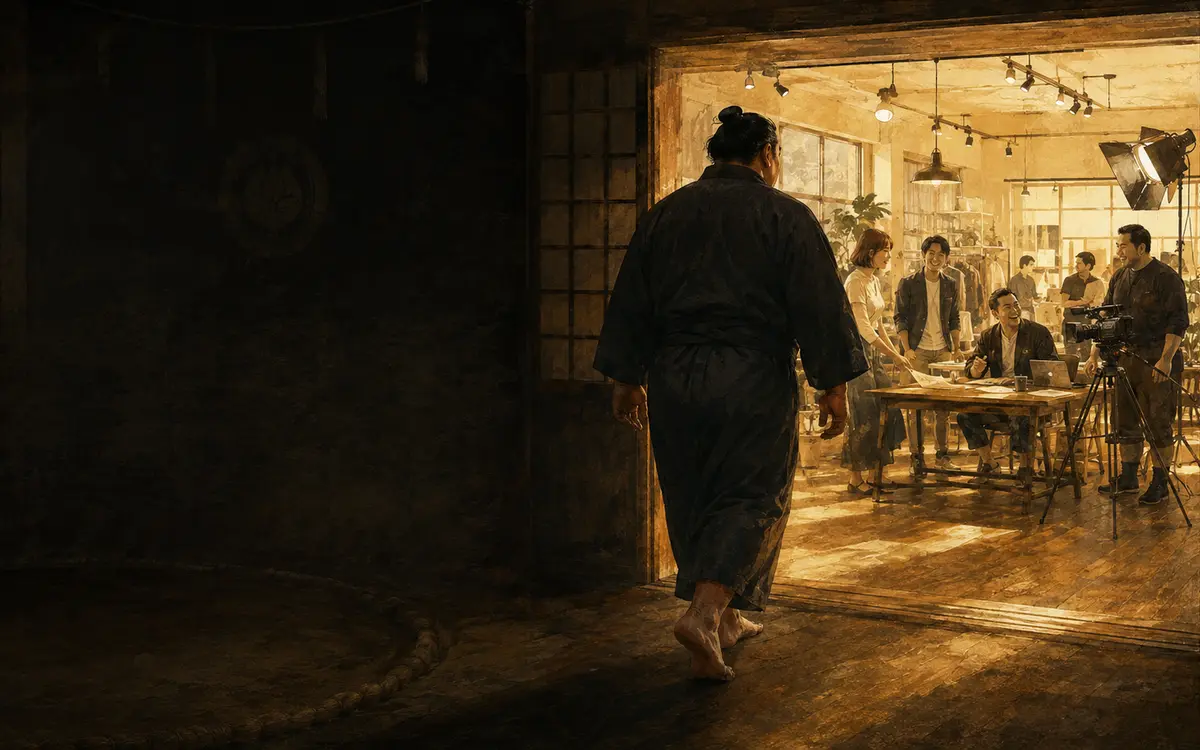
There is no standard second career for a former sumo wrestler. Competitive history, health, qualifications, finances, family responsibilities, interests and professional networks differ from person to person. Some people continue to work publicly with sumo, while others move into unrelated employment, education or business. A useful agency or adviser should begin with the individual’s goals and consent rather than assuming that every former wrestler wants to perform, teach, discuss private experiences or turn a public identity into a permanent occupation.
Start with the individual transition
Leaving a structured competitive environment can involve changes to schedule, income, public identity and physical routine. The timing and priorities belong to the individual, and not everyone wants immediate publicity or a new venture. Practical planning may include rest, healthcare, training, education, housing and financial advice from appropriately qualified professionals. Career conversations should not treat retirement as a single dramatic launch date.
Identify knowledge without making assumptions
Years in sumo may provide detailed knowledge of training, movement, etiquette, teamwork and public performance, but the relevance of those experiences depends on the next role. Ask which tasks the person enjoyed and which they do not want to repeat. Communication, management or language skills should be evidenced rather than inferred from rank. A skills inventory can separate real strengths from stereotypes about discipline or toughness.
Performance and media are possible paths, not obligations
Live shows, demonstrations, film, television, advertising, commentary and public speaking can use authentic experience. Each format has different demands, including scripts, repeated takes, travel, wardrobe, image rights and public questions. A performer may accept some types of work and decline others. Media coaching and a clear approval process can help without manufacturing a personality that does not fit the person.
Teaching requires more than having competed
Coaching athletes, leading visitor experiences and delivering school workshops are distinct responsibilities. Safe instruction requires communication, appropriate activity design and awareness of the group, while some settings may require formal qualifications, safeguarding checks or local approvals. Rules vary, so organisers should confirm current requirements with the relevant institution and authorities. A former wrestler should only be advertised for educational work they have agreed to and are prepared to deliver.
Plan a business or hospitality venture carefully
Restaurants and other ventures are visible examples associated with retired wrestlers, but public familiarity does not guarantee commercial success. A business plan should address capital, licences, staffing, operations, tax, marketing and professional advice like any other enterprise. The individual may choose to use a sumo identity prominently or keep the business separate. Biographical stories should be accurate and used with permission.
Representation should make choices clear
An agency agreement should state whether representation is exclusive, what work it covers, commission, expenses, approval, payment, term and termination. Under Sumo Man’s stated agent model, each performer reviews work project by project; any published description should continue to match the signed agreement. The agency should not confirm availability, rights or personal stories without the individual’s approval. Potential conflicts with the person’s own business or employment should be discussed early.
Build a portfolio with boundaries
Current photographs, a concise verified biography, skills, languages, availability and preferred work help producers make suitable enquiries. The profile should also record topics, products, physical actions, travel or uses the person will not accept. Past footage and career achievements require accurate sourcing and appropriate rights. Review the portfolio periodically as goals, health, skills and circumstances change.
PROJECT CHECKLIST
Second-career planning checklist
- Individual goals, preferred pace and work they do not want
- Evidence-based inventory of skills, qualifications and languages
- Health, education, financial or legal referrals where professionally needed
- Verified biography, approved photographs and source rights
- Preferred project types, physical limits, travel and publicity boundaries
- Written representation scope, commission, expenses and approval process
- Plan for the person’s own business, employment and possible conflicts
- Regular review as priorities and circumstances change
FREQUENTLY ASKED QUESTIONS
Questions producers ask us
Do most retired wrestlers open restaurants?
No single path represents everyone. Some enter hospitality, but others work in performance, teaching, business, education or fields unrelated to sumo.
Does agency representation mean the agency accepts every job?
It should not. The contract defines the process, and under a project-by-project model the individual reviews and agrees to each opportunity before confirmation.
Can any former wrestler teach a school workshop?
Competition experience alone does not establish teaching suitability. Communication, safeguarding, activity design and any local institutional requirements must also be considered.
Booking enquiry

Contact Sumo Man
Tell us about your project.